Best Haircuts for Oblong & Long Faces: Add Width, Not Length (2026)
Jump to a section
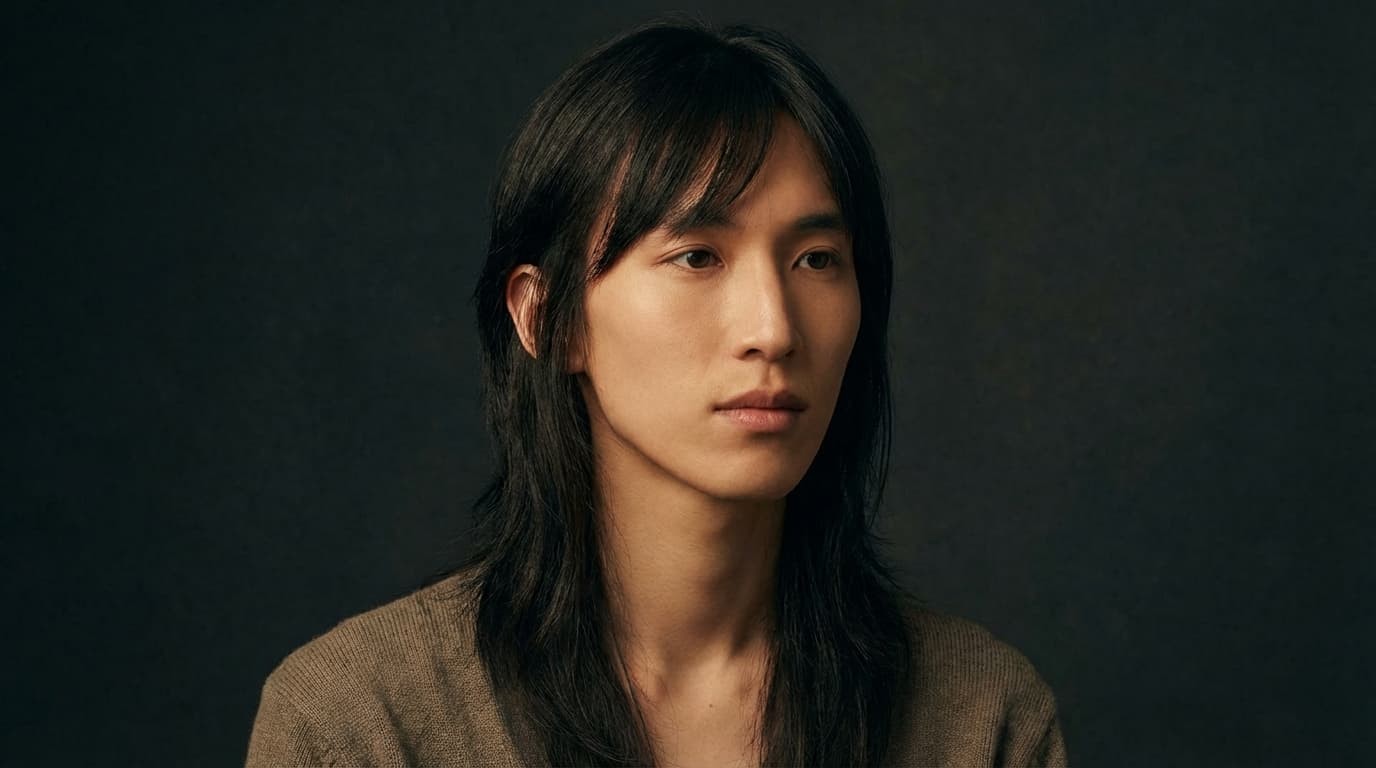
An oblong face is essentially an oval that has been stretched vertically. Your face is noticeably longer than it is wide, your forehead likely feels tall, and your overall proportions run narrow. None of this is a problem - it just means you need haircuts that work with that elongation rather than adding to it.
The core principle is simple: add width, reduce perceived length. Every style recommendation in this guide comes back to that. The right haircut introduces horizontal volume at the sides, covers part of the forehead to visually shorten the face, and avoids piling height on top. If you are not sure what face shape you have, start with our complete guide on the best hairstyle for your face shape before diving into the specifics here.
Understanding the Oblong Face Shape
Oblong faces are noticeably longer than they are wide, often with a tall forehead and elongated chin. The best haircuts for oblong faces add width at the sides and use bangs or fringes to visually shorten the face length. Avoid styles that add height on top or pull hair straight down, as these make the face appear even longer.
An oblong face has a few defining characteristics:
- Face is significantly longer than it is wide. The length-to-width ratio is noticeably higher than the balanced 1.5:1 you see with oval faces.
- Forehead, cheeks, and jaw are roughly the same width. There is no dramatic narrowing or widening at any point - the face runs fairly straight from top to bottom.
- High or tall forehead. This is one of the most common oblong indicators and a major reason bangs work so well on this face shape.
- Rounded or slightly narrow chin. The chin does not jut out sharply or form a strong angle - it tapers gently.
- No prominent cheekbone width. Unlike diamond or heart shapes, the cheekbones do not flare out wider than the forehead or jaw.
The overall impression is a face that is elongated and relatively uniform in width. This gives you a naturally elegant look, but it also means you need to be strategic about which haircuts you choose.
The Goal: Add Width, Reduce Length
Every recommendation in this guide is built on one principle: create horizontal volume and minimize vertical emphasis.
This is the exact opposite of what works for round faces. Where round faces need height on top and tight sides, oblong faces need fullness at the sides and something to break up the forehead-to-chin distance.
Specifically, you want styles that:
- Add volume at the sides - this widens the mid-face and brings proportions closer to oval
- Cover part of the forehead - bangs or fringe reduce the visible face length immediately
- Avoid excessive height on top - anything that adds vertical lift above the crown stretches the face further
- Create horizontal lines - blunt cuts, straight-across bangs, and chin-level bobs all introduce width
Keep these principles in mind as you read through the styles below. Once you understand the reasoning, you can adapt almost any trend to work for an oblong face.
How to Know If You Have an Oblong Face
Not sure if your face is truly oblong? Here is a quick five-step test:
- Pull your hair back so your entire face shape is visible from hairline to chin.
- Look in a mirror straight on, at eye level.
- Compare length to width. Measure from your hairline to the bottom of your chin, then from cheekbone to cheekbone. If the length is significantly greater than the width - noticeably more than the 1.5:1 ratio of an oval face - you are likely oblong.
- Check your width distribution. If your forehead, cheeks, and jaw are all roughly the same width (no dramatic wide point or narrow point), that confirms oblong over diamond or heart shapes.
- Assess your forehead. A tall forehead that feels disproportionately long is one of the strongest oblong indicators.
The key difference between oblong and oval is degree. An oval face is about 1.5 times longer than wide with balanced proportions. An oblong face pushes past that ratio - the length is more pronounced and the overall shape reads as elongated rather than balanced.
Still not sure? You can try different haircuts with our AI tool and see which ones look most balanced on your face. You can also run through our what haircut should I get guide for a full face shape breakdown.
Best Haircuts for Oblong-Faced Men
The goal for men with oblong faces is to add width and reduce the appearance of length. That means avoiding tall, voluminous tops and instead keeping things textured, layered, and fuller at the sides.
1. Textured Fringe
Why it works: A textured fringe falls across the forehead, which immediately reduces the visible length of your face. Instead of a long stretch from hairline to chin, the eye reads from fringe to chin - a much shorter distance. The texture adds casual dimension that keeps it from looking flat or heavy.
What to tell your barber: Ask for 2-3 inches on top with a textured, forward-falling fringe. The sides should be tapered but not buzzed tight - you want some width preserved at the temples. The fringe should be choppy, not blunt, so it looks natural.
Styling tip: Work a small amount of matte clay through damp hair and push the fringe forward and slightly to one side. Let it air-dry for the most natural finish. Avoid blow-drying upward - you want the hair to fall down and forward, not rise.
2. French Crop
Why it works: The French crop features a clean, straight-across fringe line that creates a strong horizontal element on the upper face. This horizontal line visually shortens the face by cutting across the forehead. Combined with a textured top, it is one of the most effective cuts for reducing perceived length.
What to tell your barber: Ask for a short, textured top with a defined fringe that sits at or just above the eyebrows. The sides should be a mid fade - not skin-tight, as you want to preserve some width. The fringe line should be relatively straight across rather than angled.
Styling tip: Use a matte paste to push the top forward and keep the fringe defined. The fringe should sit naturally on the forehead without needing constant adjustment. Less product is more - you want texture, not weight.
3. Side Part with Medium Length
Why it works: A side part with medium-length hair (3-4 inches on top) adds lateral volume that widens the face. The part itself creates an asymmetric line that breaks up the vertical plane, and the hair falling to the side adds width at the temple and ear area.
What to tell your barber: Ask for medium length on top with a classic side part. The sides should be scissor-cut rather than clipper-faded - you want enough length on the sides to add width, not a tight fade that narrows the silhouette. Blend the top into the sides gradually.
Styling tip: Blow-dry to the side with a round brush to build volume at the part. Use a lightweight pomade for a natural hold. The goal is a full, slightly lifted look on the side the hair falls toward - not slicked flat against the head.
4. Buzz Cut with Longer Top
Why it works: A standard buzz cut can work on oblong faces as long as you keep slightly more length on top and avoid going too short on the sides. The uniform short length does not add height, and the simplicity of the cut keeps the focus on your features rather than creating vertical emphasis.
What to tell your barber: Ask for a #3 or #4 on top and a #2 on the sides. You do not want a dramatic contrast between top and sides - that creates the tall-and-narrow look you are trying to avoid. Keep it relatively uniform with just a slight difference in length.
Styling tip: This is a low-maintenance cut by design. A light application of matte moisturizer or a drop of hair oil keeps the texture looking healthy. Avoid any product that creates height or lift.
5. Curtain Hair
Why it works: Curtain hair parts in the middle (or slightly off-center) with longer pieces sweeping outward on both sides. On an oblong face, the outward sweep at cheek and jaw level adds significant width to the mid-face. The hair framing both sides of the face widens the overall silhouette, pulling proportions closer to oval.
What to tell your barber: Ask for 5-6 inches of length on top, parted in the center or slightly off-center. The sides should be long enough to blend with the top - no fades. The pieces framing the face should hit between the cheekbone and jaw.
Styling tip: Blow-dry each side away from the center, encouraging the curtain effect. Use a texturizing spray for hold and movement. Let the hair naturally settle into its part rather than forcing a severe line.
6. Classic Taper
Why it works: A classic taper keeps moderate length on top and gradually shortens toward the neck and ears. Unlike a high fade, it does not create a dramatic height-to-sides contrast. The even proportions complement an oblong face because nothing is exaggerated in either direction - no extra height, no shaved sides making the face look even narrower.
What to tell your barber: Ask for a traditional taper - scissor-cut on the sides with a gradual transition to the top. The top should be medium length (2-3 inches), styled with some texture but no extreme volume. Sideburns at natural length help add width at the lower face.
Styling tip: Use a small amount of cream or light pomade to style the top with a slight side direction. The key is keeping it natural and proportionate - no spiking, no height, just clean and balanced.
Want to see how any of these would actually look on you? Upload a selfie and preview them with AI - it takes about 10 seconds.
Best Haircuts for Oblong-Faced Women
Women with oblong faces benefit from the same principle - add width and reduce length - but have more options for how to achieve it. Bangs, waves, volume, and strategic layering are your best tools.
1. Shoulder-Length with Bangs
Why it works: Shoulder-length hair avoids the elongating effect of very long hair while still providing enough length for versatile styling. Adding bangs - whether blunt, wispy, or curtain-style - covers the forehead and visually shortens the face. The combination is one of the most universally flattering options for oblong shapes.
Styling tip: Ask your stylist for a straight or slightly layered cut at the shoulders, with bangs that hit just above the eyebrows. If you are unsure about committing to bangs, read our guide on should I get bangs - or just preview them on your face with AI first.
2. Blunt Bob at Chin Level
Why it works: A blunt bob that ends at the chin creates a strong horizontal line at the widest part of the lower face. This adds width exactly where oblong faces need it and prevents the eye from traveling the full length of the face. The blunt ends reinforce the horizontal emphasis, making the face appear wider and shorter.
Styling tip: Keep the ends blunt and sharp with regular trims every 6-8 weeks. Use a flat iron to keep the line clean, or add a very slight inward bend at the tips for softness. A deep side part adds asymmetry that further breaks up the vertical plane.
3. Beach Waves
Why it works: Waves and curls add horizontal volume at the mid-face, which is exactly what an oblong face needs. Beach waves in particular create width at the cheeks and jaw without looking overly styled. The S-shaped pattern introduces horizontal movement that counteracts the face's natural vertical emphasis.
Styling tip: Use a 1.25-inch curling iron to create loose waves, starting from about ear level down. Focus the volume at the sides, not the top. A sea salt spray enhances the texture and keeps things relaxed. Avoid pulling waves too tight to the head - you want them to expand outward.
4. Curtain Bangs
Why it works: Curtain bangs split at the center and sweep outward along both sides of the face, covering the upper forehead while framing the cheekbones. On an oblong face, they do double duty: shortening the visible forehead and adding width at the mid-face. They are also one of the easiest bang styles to grow out if you change your mind.
Styling tip: Ask for curtain bangs that are shortest in the center (eyebrow level) and longest at the outer edges (cheekbone level). Blow-dry each side away from the center with a round brush, encouraging the outward sweep. Keep them on the wispy side - heavy curtain bangs can weigh down and flatten the face.
5. Layered Medium Cut with Side Volume
Why it works: A medium-length cut (collarbone to shoulder) with layers concentrated at the mid-face adds volume where oblong faces need it most. The layers create movement and bounce at the cheeks and jaw, widening the face's appearance without adding length.
Styling tip: Ask for layers that start at the cheekbone and cascade to the ends. Use a round brush and blow-dryer to build volume at the sides, directing the airflow outward rather than downward. Flip the ends outward rather than inward for maximum width effect.
6. Full Blunt Bangs
Why it works: A thick, straight-across bang line is one of the strongest tools for shortening an oblong face. It creates an unmistakable horizontal element that cuts the forehead out of the equation entirely. The visible face length drops from forehead-to-chin to bangs-to-chin, which can make an oblong face appear much closer to oval.
Styling tip: Ask for bangs that are cut straight across, sitting just at or slightly below the eyebrows. They should be thick enough to cover the forehead fully. Use a round brush to blow-dry them smooth and slightly under. Pair them with shoulder-length hair or a lob for the best proportional balance.
7. Soft Curls at Cheek Level
Why it works: Curls or waves concentrated at cheek level create maximum horizontal width right at the mid-face. This is the exact area where oblong faces need more presence. The curls draw the eye outward rather than up and down, breaking the elongated pattern and creating a more balanced silhouette.
Styling tip: Use a medium-barrel curling iron (1 to 1.25 inches) and focus curls from ear level to just below the jaw. Pin curls at the cheek while they cool for extra hold and bounce. Avoid adding curl volume at the crown - keep the top smooth and let the sides do the work.
Oblong Face Haircut Cheat Sheet
| Style | Gender | Why It Works | What to Tell Your Stylist |
|---|---|---|---|
| Textured fringe | Men | Covers long forehead, adds width | "Fringe with texture, not flat" |
| French crop | Men | Shortens face visually with fringe | "Cropped top with a textured fringe" |
| Side part | Men | Horizontal line breaks up length | "Medium length, clean side part" |
| Bob with bangs | Women | Bangs reduce forehead, bob adds width | "Chin-length bob with full bangs" |
| Beach waves | Women | Volume on sides adds width | "Shoulder-length, loose waves" |
| Curtain bangs | Women | Softly breaks up the forehead | "Curtain bangs, face-framing" |
Styles to Avoid with an Oblong Face
Knowing what does not work is just as important as knowing what does. These styles tend to emphasize length and narrow the face further:
- Very long, straight hair with no layers. This creates strong vertical lines that pull the eye downward, making the face appear even longer. If you want length, add layers and waves.
- High pompadours or tall quiffs. Any style that stacks height on top of the head adds vertical inches to an already long face. This is the opposite of what you need.
- Excessive height on top with short sides. The classic "tall on top, tight on the sides" approach that works for round faces will make an oblong face look dramatically elongated.
- Center parts on straight hair. A center part on sleek, straight hair creates two long vertical panels that frame the face and emphasize its length. If you want a center part, pair it with waves or curls that add width.
- Very short cropped sides with a tall top. High fades, undercuts with long tops, and any style with a dramatic height-to-sides contrast will narrow and lengthen your appearance.
The general rule: if a style adds vertical emphasis or removes width from the sides, it is working against an oblong face. You want horizontal lines, lateral volume, and nothing that draws the eye from top to bottom.
The AI Advantage: Try Before You Commit
Reading about the right haircut for your face shape is a good start. But the gap between understanding a principle and seeing it on your actual face is where most people get stuck. You know you need width and bangs, but what does a French crop actually look like on you? Will curtain bangs hit your cheekbones right, or will they just look off?
That is the problem our AI hairstyle tool solves. You upload a selfie, select a style, and see a realistic preview on your face in seconds. No appointments, no growing-out period if it is wrong, no guessing. You get to make decisions based on what you actually see rather than what you hope will work.
For oblong faces especially, seeing the difference between a style with bangs and one without can be dramatic. It is the fastest way to confirm which approach flatters your proportions before you sit in the chair.
Try it now - it takes 30 seconds.
Related Face Shape Guides
- Best Hairstyle for Your Face Shape — the complete guide
- Best Hairstyles for Oval Faces
- Best Haircuts for Round Faces
- Best Hairstyles for Square Faces
- Best Hairstyles for Heart-Shaped Faces
- Best Hairstyles for Thin Hair
- Should I Get Bangs?
- What Haircut Should I Get?
- What Would I Look Like With Short Hair?
- Men's Hairstyle Trends 2026
- Women's Haircut Trends 2026
- Low Taper Fade Guide — good fade option for long faces
- Butterfly Cut Guide — adds volume for oblong faces
- Hair Transformation Ideas — planning a bigger change?
- How to Choose a Hairstyle — the systematic method
- Wolf Cut Guide — the trending layered mullet hybrid
- Layered Haircut Guide — layers explained by face shape
Final Thoughts
The best haircut for an oblong face is any style that adds width and reduces the visible length of the face. For men, that means textured fringes, moderate length on the sides, and avoiding tall, voluminous tops. For women, it means bangs, waves, chin-level bobs, and volume concentrated at the mid-face.
But proportions, hair texture, and personal style all vary. The styles in this guide are proven starting points - the best way to know which one actually works for your face is to see them on yourself before you decide.
Choose a Look for Your Next Appointment
Upload your selfie to see a suggested haircut on your face. Compare the shape before discussing the details with your barber.
Try Your New Haircut Now