Best Haircuts for Thin & Fine Hair: Styles That Add Real Volume (2026)
Jump to a section
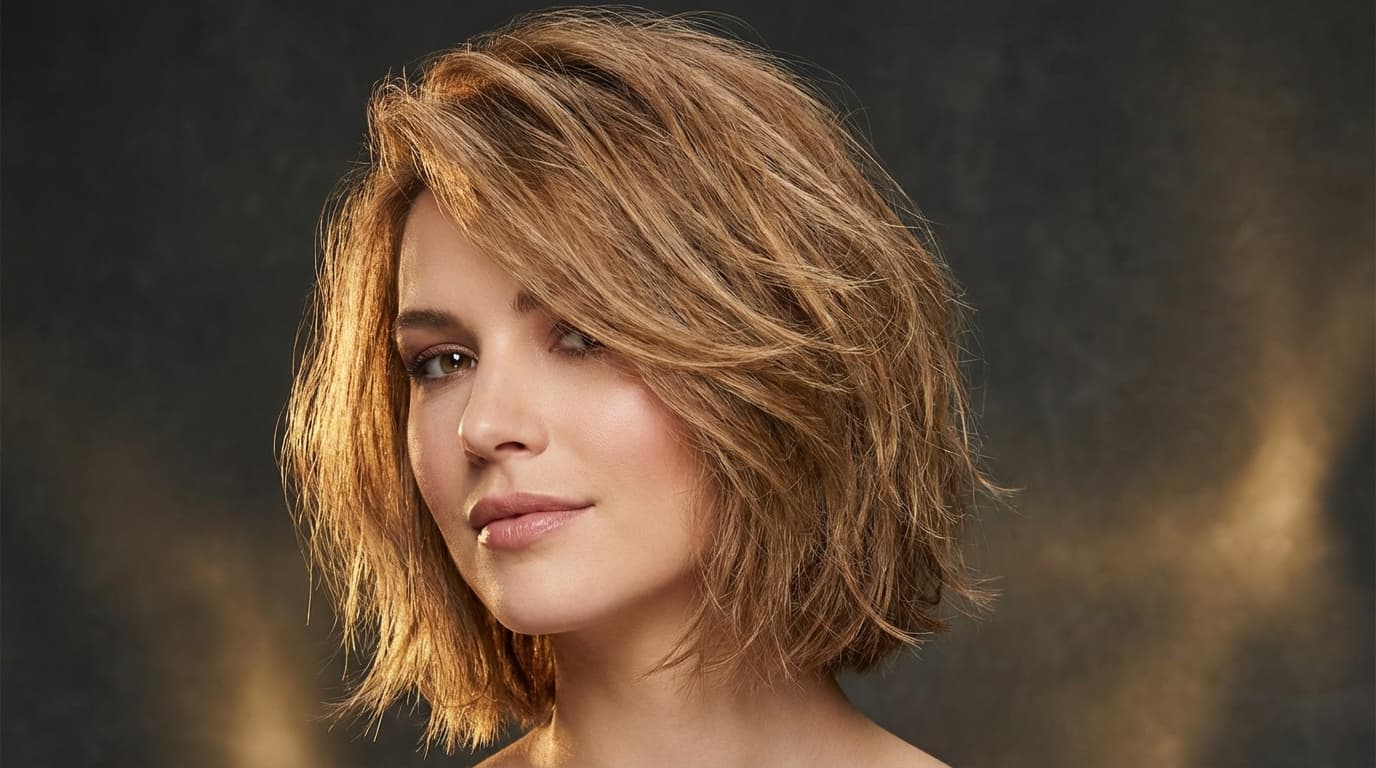
Thin Hair Is Not the Problem. Your Haircut Is.
Most people with thin or fine hair think they lost the genetic lottery. They blame their hair for looking flat, lifeless, or see-through at the ends. But here is the truth: thin hair is not the issue. The wrong haircut is. A great cut can make thin hair look full, textured, and intentional. A bad cut exposes every weakness.
The difference between thin hair that looks limp and thin hair that looks effortlessly cool comes down to one thing — the cut itself. The right length, the right layers, the right texture. No amount of volumizing mousse will save a haircut that is fundamentally wrong for your hair type. If you have been fighting your hair every morning with products and heat tools, it is time to stop compensating and start cutting smarter.
Why Thin Hair Needs the Right Cut More Than Any Other Type
Thick hair forgives mistakes. You can get a mediocre haircut and still have enough volume and body to make it work. Thin hair shows everything. Every uneven layer, every bit of excess length, every wrong decision your stylist made is visible.
With thin hair, the cut IS the style. You cannot rely on heavy products, curling irons, or blow-drying magic to build volume that your haircut does not support. Too much length and gravity pulls your hair flat against your scalp. Too many layers and you lose the density you are trying to create. The margin for error is razor thin — which is exactly why getting the cut right matters more than any other factor.
The Core Principles for Thin Hair
Before diving into specific styles, understand these fundamentals. Every good thin-hair cut follows these rules:
- Strategic layers create the illusion of depth. Not too many, not too few. Layers should add movement without removing bulk.
- Texture adds visual density. Choppy, piece-y ends trick the eye into seeing more hair than is actually there.
- Avoid weighing hair down. Length is the enemy of volume. Every extra inch pulls thin hair closer to your scalp.
- Shorter styles almost always look fuller. Less length means less gravity, which means more body and lift.
- Blunt cuts can work — if your hair is healthy. Clean, even ends create the appearance of thickness at the perimeter.
- Never over-thin or over-texturize. Thinning shears in the wrong hands will destroy what little density you have. If your stylist reaches for thinning shears on already-thin hair, speak up.
Best Haircuts for Men with Thin Hair
1. Textured Crop
A textured crop is the single best haircut for men with thin hair. The short, choppy pieces on top create a layered, dimensional look that disguises thinness completely.
Why it works for thin hair: The irregular, piece-y texture means there are no flat, see-through sections. The eye reads texture as density. Even sparse hair looks intentionally styled rather than thin.
What to tell your barber: "Short textured crop, choppy on top, skin fade or low fade on the sides. I want it to look messy and textured, not smooth."
Styling tip: Work a small amount of matte clay into dry hair, focusing on the top. Push pieces in different directions to maximize the textured effect. Avoid anything with shine — matte finish is essential for thin hair.
2. Buzz Cut
Sometimes the best move is to stop fighting it. A buzz cut eliminates the concept of "thin" entirely because there is no length to be thin.
Why it works for thin hair: At a uniform short length, thin spots and density differences disappear. Every part of your head looks the same. It is clean, confident, and zero-maintenance.
What to tell your barber: "Buzz cut, #2 or #3 on top, #1 on the sides" — or go uniform all over. A slight fade from sides to top adds a touch of shape.
Styling tip: None needed. That is the point. Keep your scalp healthy and moisturized. If you want a bit of edge, ask for a skin fade on the sides with a slightly longer guard on top.
3. French Crop with Fringe
The French crop brings hair forward onto the forehead, which is a strategic advantage if you are thinning at the hairline or temples.
Why it works for thin hair: The forward fringe covers the hairline — the first place most men notice thinning. The short length on top avoids the flat, lifeless look that longer thin hair creates.
What to tell your barber: "French crop with a textured fringe. Short on top, maybe 2-3 inches in front, faded on the sides. I want the fringe to look choppy, not blunt."
Styling tip: Use a texturizing spray on damp hair, then blow-dry forward. Finish with a tiny amount of matte paste to define the fringe pieces. The key is texture in that front section.
4. Caesar Cut
Named after Julius Caesar (who was reportedly balding himself), this cut features short, uniform length with the hair brushed forward and a short, straight fringe.
Why it works for thin hair: The even length and forward direction create consistent coverage. There are no long sections to expose thin spots, and the horizontal fringe line gives the hairline a defined, intentional edge.
What to tell your barber: "Caesar cut, about one to two inches on top, brought forward. Straight fringe across the forehead, tight on the sides."
Styling tip: Apply a small amount of matte clay or wax and brush everything forward. A volumizing powder at the roots before styling gives thin hair extra grip and lift.
5. Messy Quiff
A quiff adds height and volume exactly where thin hair needs it most — at the front and top of the head.
Why it works for thin hair: The upward and backward sweep at the front creates the appearance of fullness. The "messy" version is more forgiving than a polished quiff because the imperfection hides density issues.
What to tell your barber: "Messy quiff, 3-4 inches on top, tapered or faded on the sides. I need enough length to push up and back but not so much that it falls flat."
Styling tip: Blow-dry upward at the roots while hair is damp — this is non-negotiable for thin hair. Then work texturizing spray or volumizing powder through the top before shaping with matte clay. Build volume with heat first, then lock it in with product.
6. Crew Cut
The crew cut sits in the sweet spot — short enough to look full, long enough to have a visible style. It is the safest choice for thin-haired men who want something classic and low-effort.
Why it works for thin hair: The gradual taper from slightly longer on top to shorter on the sides creates a natural, full appearance. There is not enough length for gravity to flatten it.
What to tell your barber: "Classic crew cut, about an inch to an inch and a half on top, tapered into the sides. Clean and neat."
Styling tip: A light application of matte paste or volumizing powder is all you need. Style forward or slightly to the side. On days when your hair feels particularly flat, a quick blast with the blow-dryer on high heat while finger-styling adds instant body.
Best Haircuts for Women with Thin Hair
1. Blunt Bob
A blunt bob — no layers, no texturizing, just a clean horizontal cut line — is one of the most effective ways to make thin hair look thicker.
Why it works for thin hair: When all your hair ends at the same point, it creates maximum density at the perimeter. Layers spread hair out; a blunt cut concentrates it. The visual effect is a solid, thick edge that reads as healthy, full hair.
Styling tip: Keep it between chin and collarbone length. Blow-dry with a round brush, curling ends slightly under. Avoid heavy serums — use a lightweight volumizing spray instead. If you want to explore whether a bob suits your features, check out our guide on what you would look like with short hair.
2. Pixie Cut
A pixie cut removes length entirely, and with it, most of the problems that come with thin hair.
Why it works for thin hair: Short hair cannot fall flat the way long hair does. A pixie keeps everything close to the head with deliberate texture and shape. It looks intentional and styled, not thin and wispy.
Styling tip: Ask for texture and piece-y layers on top. Use a matte wax or texturizing cream to define individual pieces. Blow-dry the roots upward for maximum lift before applying product.
3. Layered Lob
A lob (long bob) with strategic internal layers gives thin hair the movement and body it naturally lacks, without sacrificing too much length.
Why it works for thin hair: The layers are placed to create swing and bounce, not to remove weight. When done correctly, the hair moves and shifts in a way that suggests thickness and vitality. Keep the layers long and face-framing rather than short and choppy.
Styling tip: Blow-dry with a large round brush, lifting at the roots. A single pass with a flat iron to create soft, loose bends adds dimension. Use dry shampoo at the roots on day two to maintain volume and texture.
4. Textured Shag
The modern shag — with its curtain bangs, face-framing layers, and lived-in texture — might be the most flattering cut for thin hair right now.
Why it works for thin hair: Layers plus bangs equals maximum volume illusion. The bangs add density around the face, the layers create movement throughout, and the overall "undone" aesthetic means your hair does not need to look perfect to look good. Curious about whether bangs would suit you? Preview them first.
Styling tip: Scrunch texturizing spray into damp hair and diffuse or air-dry. The less polished, the better. Use a volumizing mousse at the roots before drying for extra lift. Embrace the bedhead.
5. Chin-Length Bob with Side Part
Switching from a center part to a deep side part can transform thin hair instantly. Pair it with a chin-length bob and you have a style that looks full and intentional.
Why it works for thin hair: A side part sweeps hair over to one side, stacking more hair in one area and creating the appearance of volume and density. At chin length, the hair sits at its thickest point rather than tapering to thin ends.
Styling tip: Flip your part to the opposite side of where it naturally falls — this forces the roots to stand up rather than lie flat. Blow-dry with root-lifting spray for extra height at the crown.
6. Shoulder-Length with Curtain Bangs
If you want to keep some length, shoulder-length hair with curtain bangs is the move. The bangs do the heavy lifting for volume and face-framing.
Why it works for thin hair: Curtain bangs create a frame of hair around your face that adds perceived density where it matters most — the area people actually look at. The shoulder length avoids the flat, stringy look that longer thin hair develops.
Styling tip: Blow-dry bangs with a round brush, directing them away from your face in a swooping motion. For the lengths, use a lightweight volumizing spray and blow-dry upside down. Avoid flat-ironing thin hair straight — it removes any body you have created.
7. Short Stacked Bob
A stacked bob is shorter at the back with graduation that creates built-in volume at the nape and crown.
Why it works for thin hair: The stacking technique layers the back in a way that pushes hair outward, creating volume without requiring any styling effort. The angled line from back to front adds movement and visual interest.
Styling tip: The cut does most of the work. Blow-dry with your head tilted forward to boost root volume at the crown. A light mist of texturizing spray finishes the look. For more on finding the right cut for your specific features, see our face shape guide.
Thin Hair Haircut Cheat Sheet
| Style | Gender | Volume Effect | Maintenance |
|---|---|---|---|
| Textured crop | Men | High — texture creates illusion of fullness | Low |
| Buzz cut | Men | N/A — embraces the thinness | Very low |
| French crop with fringe | Men | Medium — fringe adds density up front | Low |
| Blunt bob | Women | High — blunt ends look thicker | Medium |
| Pixie cut | Women | High — short length maximizes volume | Medium |
| Textured shag | Women | High — layers and texture everywhere | Medium |
| Layered lob | Women | Medium — strategic layers add movement | Medium |
Styling Tips That Make Thin Hair Look Thicker
The right cut is 80% of the battle. These styling habits handle the remaining 20%.
- Apply volumizing products at the roots, not the ends. Root-lifting sprays, volumizing powders, and mousses should go where you need lift — the scalp. Product on the ends just weighs thin hair down.
- Blow-dry upside down. Flip your head over and blast the roots with warm air for 2-3 minutes before styling normally. This single trick adds more volume than any product.
- Use dry shampoo even on clean hair. Dry shampoo adds grip and texture that thin hair lacks naturally. Spray it at the roots after styling for extra hold and the appearance of fullness.
- Avoid heavy conditioners and oils on your roots. Condition mid-lengths to ends only. Oils, heavy masks, and leave-in conditioners flatten thin hair within minutes of application.
- Consider lighter hair colors. Lighter shades reflect more light, which creates the illusion of fuller hair. Highlights and balayage add dimension that makes thin hair appear more voluminous.
- Matte finish beats shiny finish every time. Shine compresses the visual appearance of hair, making it look thinner. Matte products create texture and separation that reads as density.
Styles to Avoid with Thin Hair
Not every trendy cut works when your hair lacks natural density. Steer clear of these:
- Very long, one-length hair. Gravity is not your friend. The longer your thin hair grows, the flatter and more see-through it becomes — especially at the ends.
- Heavy blunt bangs. A thick, blunt fringe requires a lot of hair to pull off. On thin hair, it takes density away from the rest of your head and the bangs themselves can look sparse.
- Tight, slicked-back styles. Pulling thin hair flat against the scalp exposes every thin spot and gap. If you can see scalp, the style is working against you.
- Center parts on fine, straight hair. A center part creates two thin curtains that expose the scalp down the middle. A side part stacks hair and hides the part line.
- Over-layered cuts. Too many layers on already-thin hair remove bulk you cannot afford to lose. The result is wispy, see-through sections that look worse than no layers at all.
The general rule: if a style requires a lot of hair to look good, it will not look good on thin hair. Choose cuts that work with the amount of hair you have, not against it.
The AI Advantage: See Volume Before You Commit
Reading about haircuts and seeing them on yourself are two very different experiences. A textured crop sounds great in theory, but will it actually give your thin hair the volume boost you need? A blunt bob might be the right call, but what if it makes your face look wider than you would like?
This is where AI hairstyle preview tools change the game. Upload a selfie to MyNewHaircuts, and you can see yourself with any of these styles — rendered realistically on your actual face, with your skin tone, your features, your face shape. No guessing. No hoping. Just a clear preview of the result before you sit in the chair.
It is especially valuable for thin hair because you can compare multiple options side by side and see which cuts genuinely create the illusion of volume on your head. Pair this with our guide on choosing the right haircut for your face shape to narrow down options even further.
Related Reading
- What Haircut Should I Get? — complete decision guide
- Best Hairstyle for Your Face Shape — face shape matters for thin hair too
- Best Hairstyles for Oval Faces
- Best Haircuts for Round Faces
- Best Hairstyles for Square Faces
- Best Hairstyles for Heart-Shaped Faces
- Best Hairstyles for Oblong Faces
- Should I Get Bangs? — bangs can add density to thin hair
- What Would I Look Like With Short Hair?
- Men's Hairstyle Trends 2026
- Women's Haircut Trends 2026
- Butterfly Cut Guide — can work for thin hair with adjustments
- Low Taper Fade Guide — clean option for thin-haired men
- Hair Transformation Ideas — planning a bigger change?
- How to Choose a Hairstyle — the systematic method
- Layered Haircut Guide — layers explained by face shape
- Textured Crop Guide — the modern men's classic
- Pixie Cut Guide — pixie styles for every face shape
Final Thoughts
Thin hair is not a limitation — it is a variable. The right cut, the right styling habits, and the right products can make thin hair look full, textured, and intentional. Stop fighting your hair type with the wrong cuts and start working with it.
The best time to figure out your ideal thin-hair cut is before you are sitting in the stylist's chair. Try them on yourself first and walk in knowing exactly what you want.
Choose a Look for Your Next Appointment
Upload your selfie to see a suggested haircut on your face. Compare the shape before discussing the details with your barber.
Try Your New Haircut Now